09/30/2026
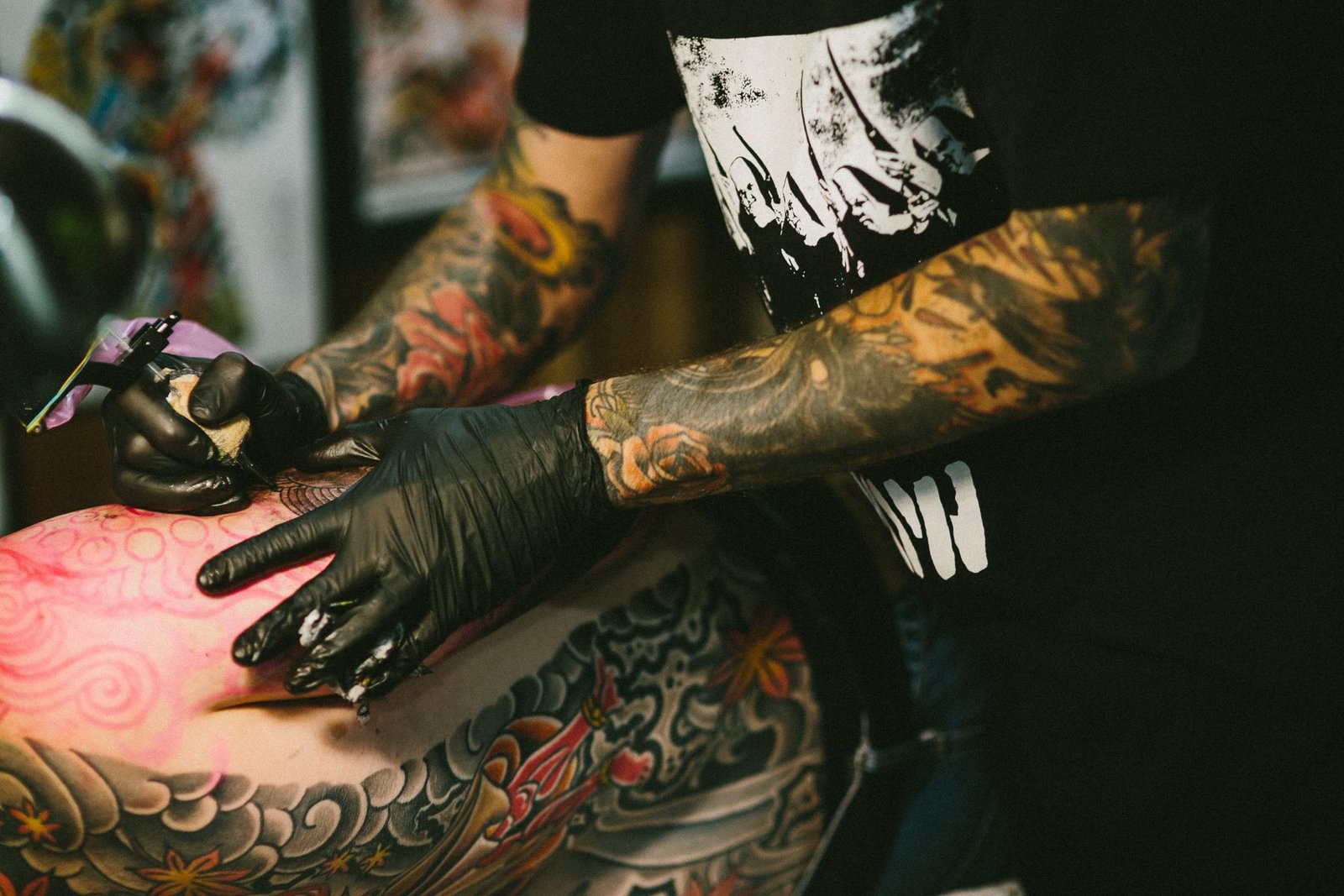

Yes, getting a tattoo hurts. After their first session, though, most people say it was easier than they expected. How much it will hurt for you depends largely on the spot and on how long the session is, but there's a lot you can influence yourself.
The needle goes into the skin shallowly but very often, and what you feel depends on what the artist is doing at that moment.
Many people feel the linework more sharply than the shading. It scratches and burns, as if someone were drawing a hot needle across your skin.
When the artist shades or fills areas with colour, the feeling is usually duller. The artist goes over the same area several times, and after a while it starts to sting like a graze that someone keeps rubbing.
Where the bone is close, vibration joins in. You feel it not so much in the skin as in the bone, and for many people this buzzing is the most unpleasant part.
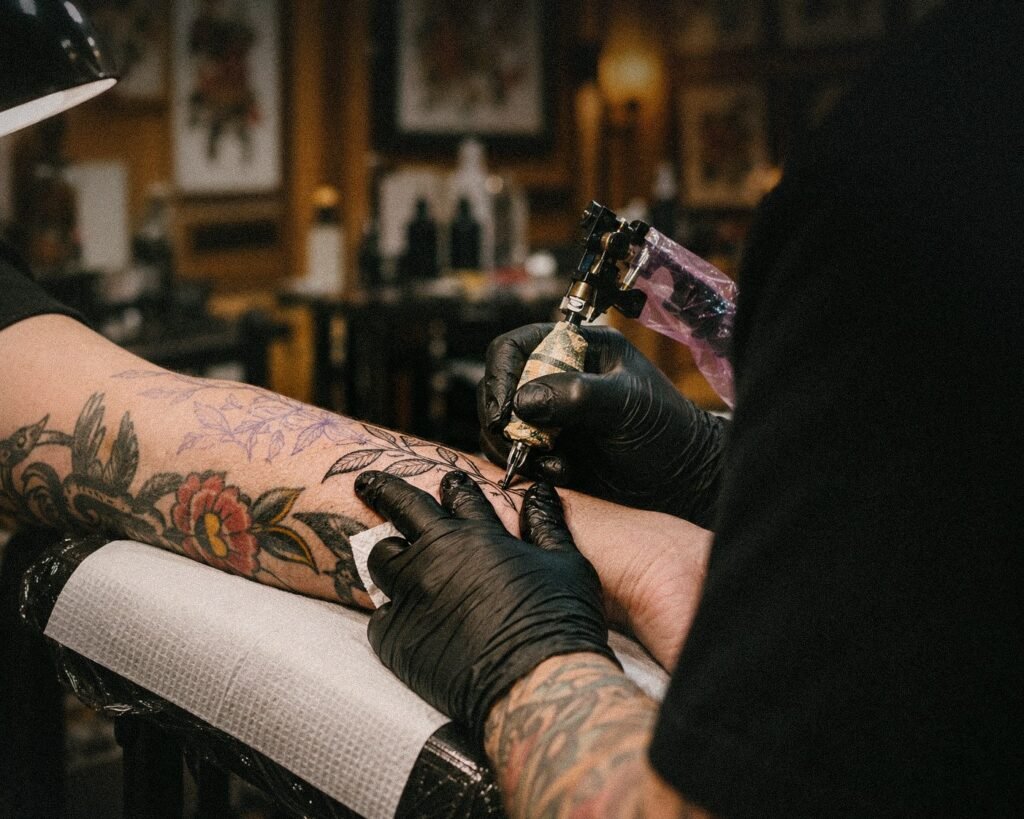
The first minutes are unpleasant because you don't know what to expect and your whole body is tense. After about 10-20 minutes most people get used to it. The body starts numbing itself, the pain moves into the background, and you can talk or listen to music in peace.
Around the second or third hour, that changes. The skin gets more sensitive and swells, your body gets tired, and the same kind of line that was bearable at the start now bites harder. That's why artists usually split large pieces into several sessions instead of trying to do it all in one go.
Once the session is over, the area stays sore and warm for a while, a bit like after a sunburn. It's uncomfortable to sleep on, and it hurts if you press on it. We've covered what to do in those days in our article on how to look after your new tattoo.
No pain chart is a law. Ribs hurting more than a forearm on average doesn't mean they'll hurt more for you. Still, there are clear reasons why some spots are harder for almost everyone.
It usually hurts more where the bone is close to the skin, with hardly any soft tissue in between:
It's also harder where the skin is thin and there are more nerve endings:
Another reason is skin that moves. On the stomach and sides the skin moves as you breathe, so the artist has to hold it more, and you feel that.
It's usually easier where there's muscle or a layer of fat under the skin:
For a first tattoo these spots are often a good start. Still, it's worth choosing the spot by where the design will look good. A couple of hours of pain are soon forgotten, but the tattoo will stay in that spot for life.
A small piece on the ribs can be easier than four hours on a forearm, because the tiredness builds up.
If you haven't slept, come on an empty stomach or with a hangover, it hurts more. We recommend getting a good night's sleep and eating a proper meal about an hour before the session. For a longer session, bring water and something sweet. When your blood sugar drops you get dizzy, and the pain feels bigger.
Strong coffee or an energy drink right before the session makes many people more jittery. On the day of the session, drink less coffee than usual.
For some women the pain is more noticeable before and during their period. If you can choose the date, better avoid those days.
The more you work yourself up before the session, the tenser your body is, and tense muscles make the pain worse. That doesn't mean you're imagining the pain. A calm body simply handles it better.
If you're very scared of the pain, say so at the consultation. The artist can suggest a better spot or split the work into shorter sessions. Consultations at our studio are free, and you can book through the booking form. If this will be your first tattoo, also read what to know before your first appointment.
Alcohol thins the blood, the skin bleeds more and the artist has a harder time working. It doesn't really reduce the pain either, so there's nothing to gain. Don't drink the day before or on the day of the session.
Aspirin and ibuprofen also affect blood clotting, so it's better not to take them for pain before or on the day of the session. Aspirin's effect on the blood lasts several days, so if you take it regularly, ask your doctor or pharmacist. If a doctor has prescribed these or other blood thinners for you, don't stop taking them on your own. Talk to your doctor first, and tell the artist about them before you start. Also mention it if you have diabetes, epilepsy or have ever fainted.
Paracetamol doesn't thin the blood, but ask a pharmacist about that too first, especially if you take other medication.
Always agree on numbing cream with the artist beforehand. The cream wears off after a while, often in the middle of the session. Afterwards the skin tends to go rubbery, and many artists find the ink takes less well then. Not every artist is happy to work with it.
When the needle is on a sensitive spot, try to breathe out longer than you breathe in. If you hold your breath, dizziness comes much faster.
Don't tense up and don't move. If you need to move or feel a sneeze coming, say so and the artist will stop for a moment. For long sessions we recommend bringing a book or headphones and wearing comfortable clothes.
You can ask for a break, no problem. If you start to feel dizzy or sick, or your palms get sweaty, say so right away instead of suffering in silence. It's a normal reaction of the body, and after a few minutes with some water and something sweet it usually passes.
If it gets really hard, the session can end early and the piece can be finished another time. With large pieces this happens often, and it's better than fighting through to the end.

You feel the needle exactly the same. It's easier because you know what to expect and your body tenses up less. If your second tattoo is on a more sensitive spot, it can hurt more than the first.
You'll find both claims online. The differences between any two people are much bigger than between the sexes, so there's no point relying on gender.
Usually two or three days, longer for larger pieces. If after the third day the pain, redness and swelling get worse instead of better, or you see pus or have a fever, see a doctor.



 English