09/30/2026
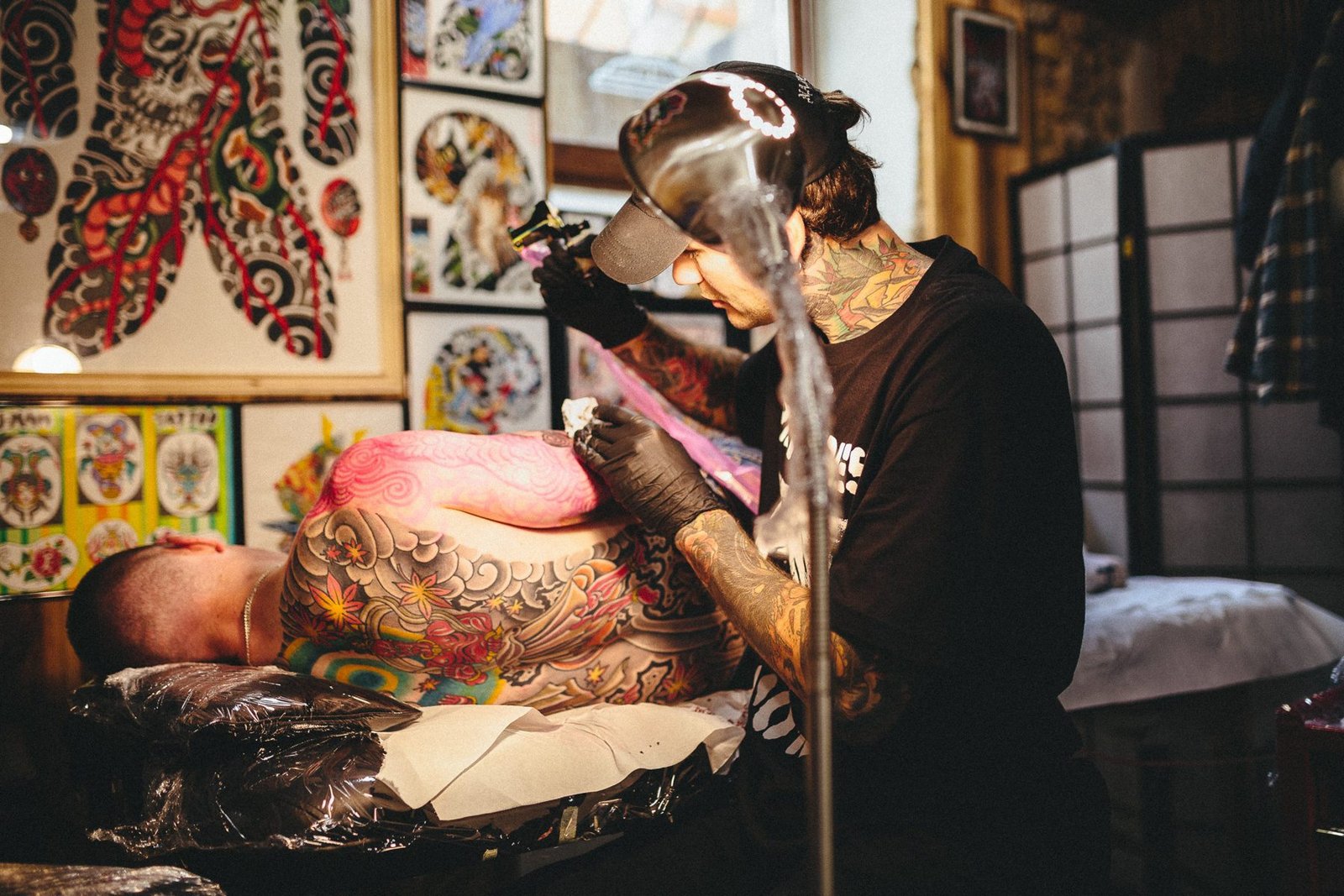

It's easier to find the right artist once you know the style, because most artists work in some styles far more often than in others. And the style is better chosen by your idea, size and placement than by whatever is popular on social media right now. Once you know what you want and how big, it usually becomes clear which style will still look good at that size in ten years. Then look for an artist who tattoos that style often. You can see it in their portfolio.
A wrist has room for a couple of centimetres; a back fits a whole composition. Fine details in a small area merge over time, but in a large area they have room. So choose the style only once you know the idea, the size and the placement.
Placement also affects how fast a tattoo fades. On the fingers and hands the skin rubs a lot, so it happens faster there, whatever the style.
Styles with bold lines and large black areas, such as traditional and tribal, hold up better than others over the years. Fine line, small realism and tiny lettering blur and fade fastest. Traditional or simple lettering with big enough letters suits a small piece, while realism, Japanese style and tribal need a large area.
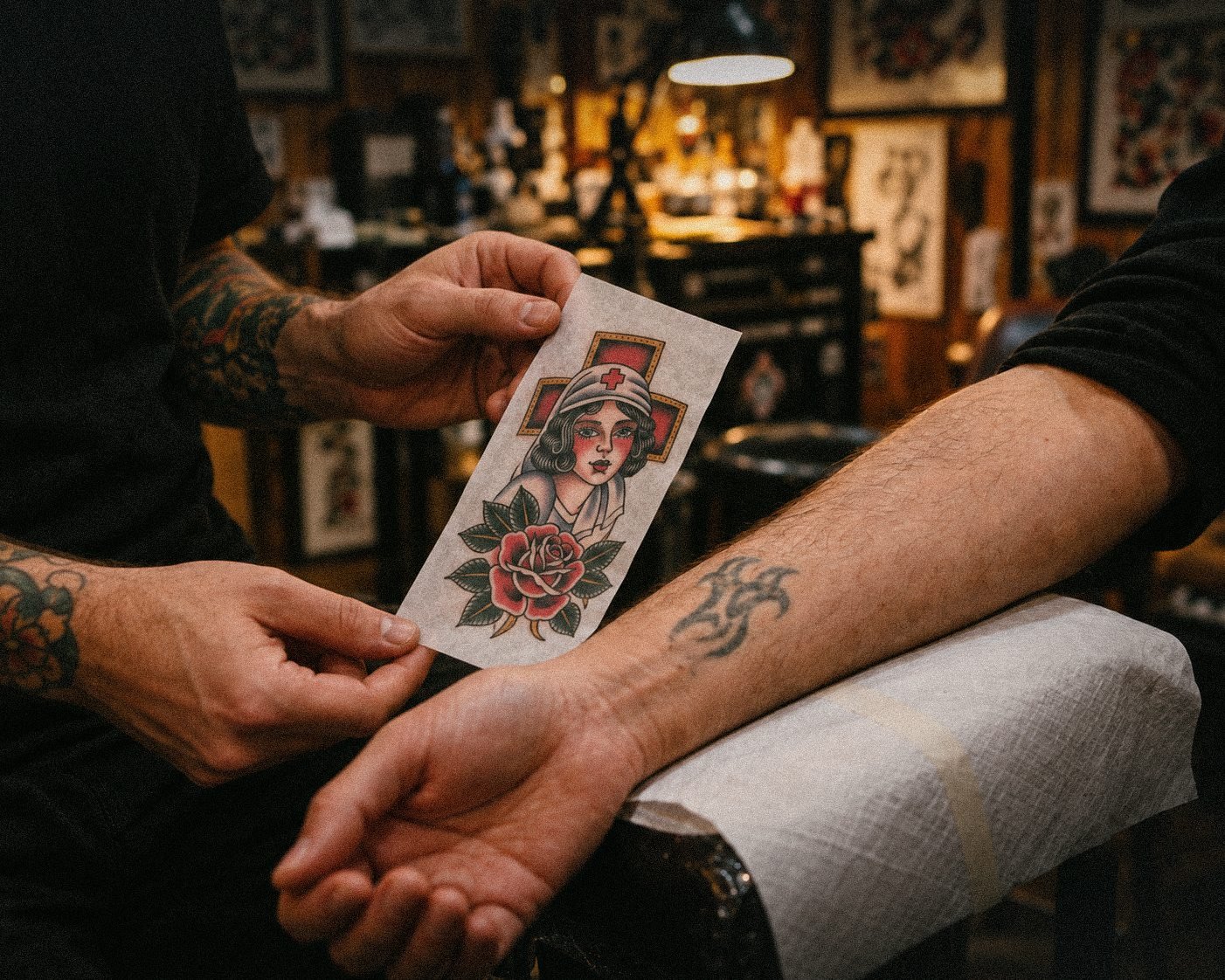
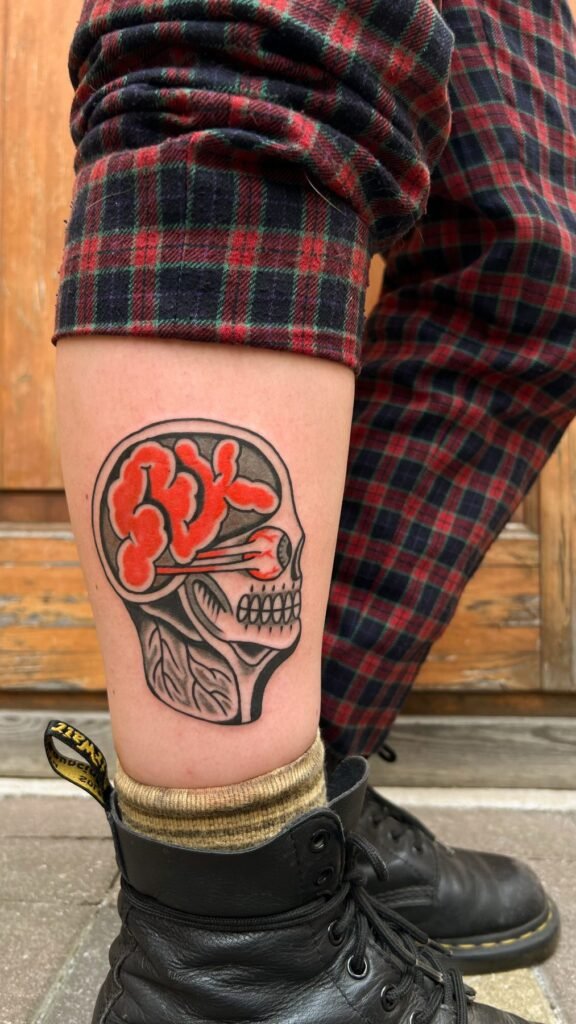
Bold black outlines, a small colour palette and clear motifs: roses, daggers, swallows, portraits of women. It still looks good many years later, because bold lines blur slowly and saturated colour takes longer to fade. It also works for small pieces.
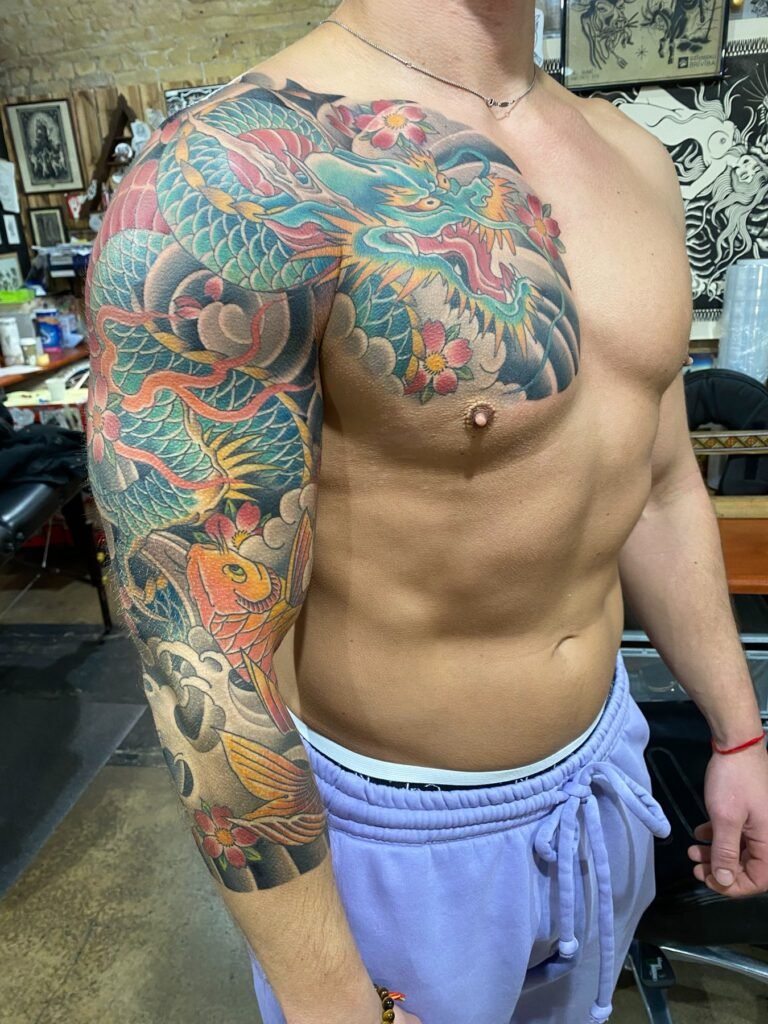
Large, flowing compositions with waves, clouds, koi and dragons, often covering a whole arm or back. At a large size it holds up well, because every element has enough room. Expect several sessions, as a piece this big can't be done in one go.
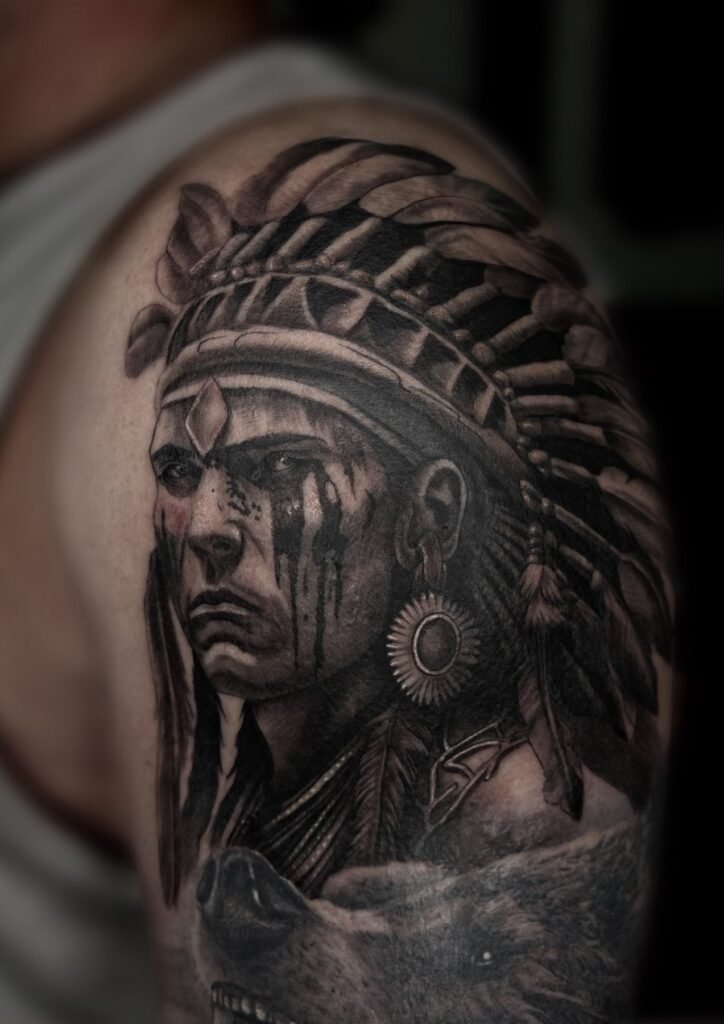
A design in black and grey tones with soft shading. It suits portraits as well as ornaments, and it holds up well over the years. In a small area the shading just needs to be simpler, or the greys merge.
Portraits, animals and scenes that look like a photograph. It needs a large area and an artist who tattoos realism often. At a small size, realism loses detail over time.
Thin lines, often small, minimalist designs. While fresh it looks very neat, but over the years the lines can blur and fade faster than bold ones. It's a common choice for a first tattoo. That's fine, as long as the design is big and simple enough.
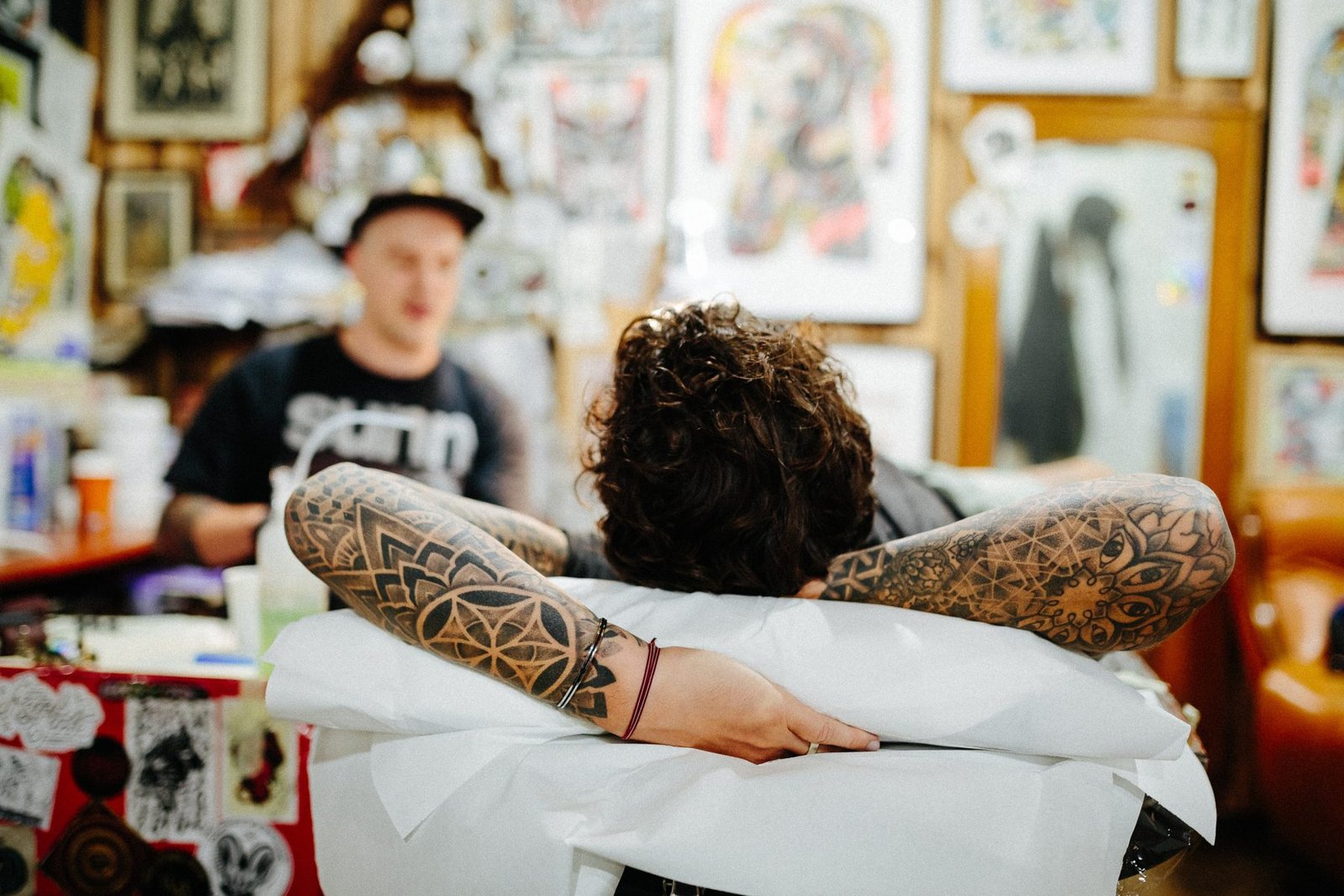
Shading and patterns made from lots of tiny dots, often used for mandalas and geometric motifs. The dots need spacing, so in too small an area they merge into one dark patch over the years.
The eye notices straight away if a line has drifted or a circle isn't quite round. An arm or leg isn't flat, so the shape has to be adapted to the spot. Fine parallel lines need spacing or they merge over the years, so small geometric work is better done bigger.
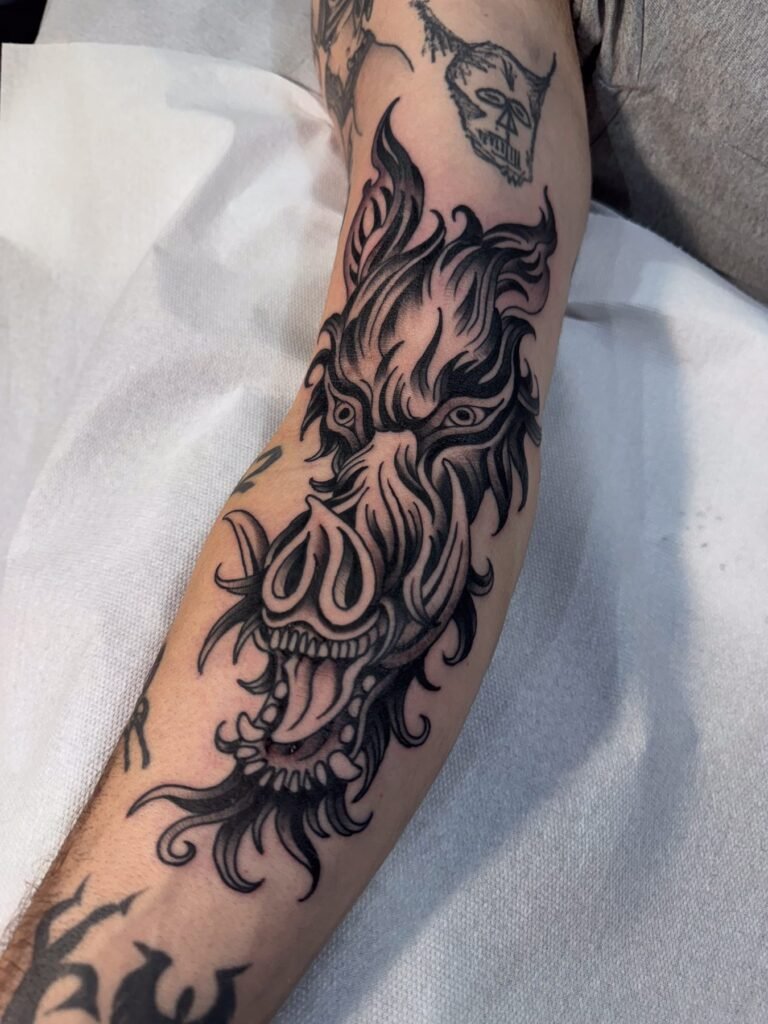
Dense black areas and ornaments. One of the most durable styles, because a black area changes very little over time. It suits larger areas, where the pattern can follow the shape of the muscles.
With lettering, what matters most is the size and the spacing between letters. Text that's too small or too tightly set won't be easy to read years later.
Choose an artist by work that resembles your idea. One good piece in your chosen style can be luck. Ten good pieces mean the artist does it often and knows how it will look in years to come.
When you look at a portfolio:
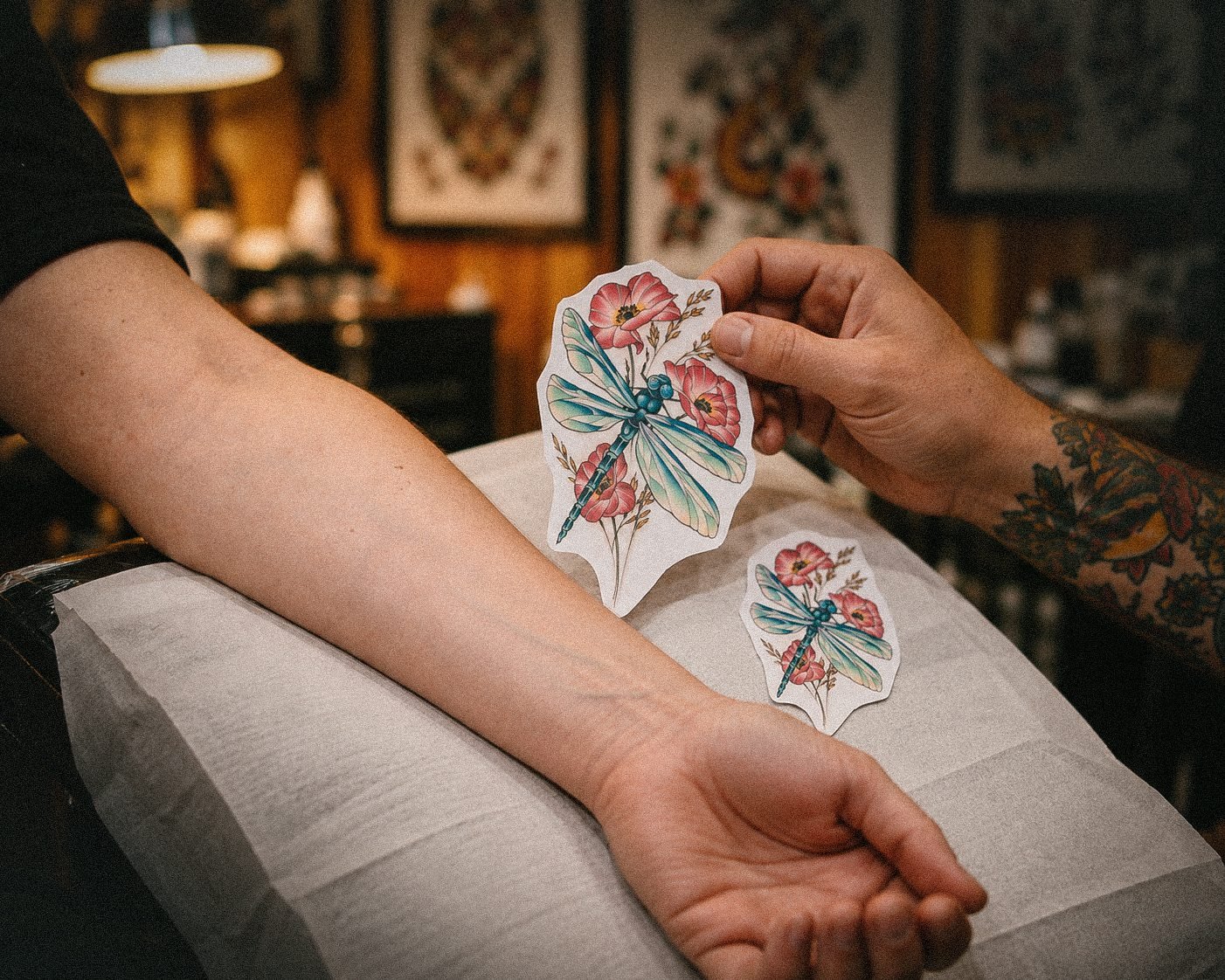
A photo of someone else's tattoo is useful to show what you like, but there's no need to copy it. At our studio the artist draws every design from your idea, and the drawing is already included in the price. An artist who works in many styles can also do your idea well; you just want to see several similar pieces in their portfolio, not one.
You can see their work on the artists' pages. If you can't decide, choose „Jebkurš meistars” (any artist) in the booking form , tell us your idea, and we'll help find the artist whose hand suits it. The consultation is free.
Yes, and many people do. It's easier if each style has its own place: traditional on one arm, black and grey on the other, for example. Similar line weight and the same colour palette tie different styles together. If you want to combine very different designs in one area, it's best to talk the overall plan through with the artist at the consultation.
If this will be your first tattoo, also read what to expect the first time.



 English